Product Description
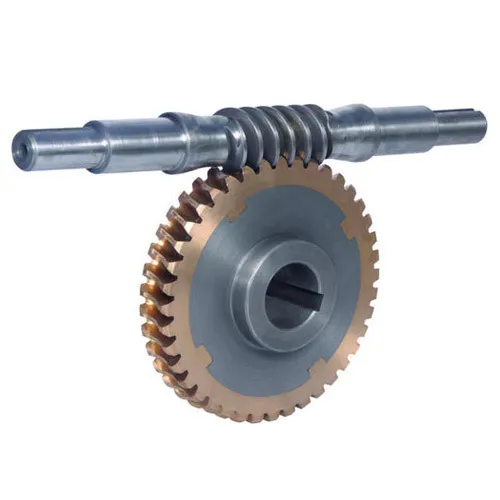
Duplex Worm CHINAMFG Bronze Ground Shaft Plastic Helical Brass Self Locking Supplier Micro Outdoor Ride Car Spare Spur Manufacturer Forklift Duplex Worm Gear
Application of Worm Gear
Worm gears are a type of gear that has a screw-shaped worm that meshes with a gear with teeth. They are used in a wide variety of applications, including:
- Lifts and elevators: Worm gears are used in the drive mechanisms of lifts and elevators to provide high torque and low speed.
- Machine tools: Worm gears are used in machine tools, such as lathes and milling machines, to provide smooth and controlled movement.
- Conveyors: Worm gears are used in conveyors to move materials at a controlled speed.
- Pumps: Worm gears are used in pumps to move fluids at a controlled rate.
- Actuators: Worm gears are used in actuators to move objects at a controlled speed and force.
Worm gears offer a number of advantages over other types of gears, including:
- High torque: Worm gears can generate high torque, which makes them ideal for applications where heavy loads need to be moved.
- Low speed: Worm gears operate at low speeds, which makes them ideal for applications where smooth and controlled movement is required.
- Compact size: Worm gears are typically smaller than other types of gears, which makes them ideal for applications where space is limited.
- Low maintenance: Worm gears require very little maintenance, which makes them a cost-effective choice for many applications.
Here are some of the limitations of worm gears:
- Low efficiency: Worm gears are not as efficient as other types of gears, which can lead to increased energy costs.
- High noise levels: Worm gears can be noisy, which can be a concern in some applications.
- High maintenance costs: Worm gears require more frequent maintenance than other types of gears, which can increase overall costs.
Despite these limitations, worm gears remain a popular choice for a wide variety of applications due to their high torque and low speed capabilities.
/* January 22, 2571 19:08:37 */!function(){function s(e,r){var a,o={};try{e&&e.split(“,”).forEach(function(e,t){e&&(a=e.match(/(.*?):(.*)$/))&&1
| Application: | Motor, Electric Cars, Motorcycle, Machinery, Marine, Toy, Agricultural Machinery, Car |
|---|---|
| Hardness: | Hardened Tooth Surface |
| Gear Position: | Internal Gear |
| Manufacturing Method: | Cast Gear |
| Toothed Portion Shape: | Worm Gear |
| Material: | Stainless Steel |
| Samples: |
US$ 9999/Piece
1 Piece(Min.Order) | |
|---|
How do you prevent backlash and gear play in a worm gear mechanism?
Preventing backlash and gear play is essential for maintaining the accuracy and performance of a worm gear mechanism. Here’s a detailed explanation of how to prevent backlash and gear play in a worm gear mechanism:
Backlash refers to the play or clearance between the teeth of the worm and the worm wheel in a worm gear mechanism. It can result in inaccuracies, positioning errors, and reduced efficiency. Here are some measures to prevent or minimize backlash and gear play:
- Precision manufacturing: Accurate and precise manufacturing of the worm and worm wheel is crucial to minimize backlash. High-quality machining techniques, such as grinding, can be employed to achieve precise tooth profiles and minimize any gaps between the teeth. Careful attention to the design and manufacturing tolerances can help reduce backlash.
- Tight meshing clearance: Proper adjustment of the meshing clearance between the worm and the worm wheel can help minimize backlash. The meshing clearance should be set as small as possible without causing interference or excessive friction. Close clearance ensures a tighter fit between the teeth, reducing the amount of play or backlash.
- Anti-backlash mechanisms: Anti-backlash mechanisms can be incorporated into the worm gear system to reduce or eliminate backlash. These mechanisms typically consist of spring-loaded components or adjustable devices that help compensate for any clearance between the teeth. They apply a constant pressure to keep the teeth engaged tightly, reducing the effects of backlash.
- Preload: Applying a preload to the worm gear system can help minimize backlash. Preload involves applying a slight compressive force or tension to the components, ensuring they remain engaged and eliminating any clearance. However, it is important to apply the appropriate preload to avoid excessive friction and wear.
- Lubrication: Proper lubrication is crucial for minimizing backlash and reducing gear play. Lubricants with suitable viscosity and properties should be used to ensure smooth and consistent operation of the worm gear mechanism. Good lubrication helps reduce friction, wear, and any potential clearance that can contribute to backlash.
- Regular maintenance: Regular inspection and maintenance of the worm gear mechanism can help detect and address any developing backlash or gear play. Routine checks can identify signs of wear, misalignment, or improper lubrication, allowing for timely adjustments or replacements to minimize backlash and maintain optimal performance.
It’s important to note that completely eliminating backlash in a worm gear mechanism may not always be possible or desirable. Some applications require a certain level of backlash to accommodate thermal expansion, compensate for positional errors, or allow for smooth operation. The acceptable level of backlash depends on the specific requirements of the application.
When implementing measures to prevent backlash and gear play, it is crucial to strike a balance between minimizing backlash and ensuring smooth, reliable operation. The specific techniques and approaches used to minimize backlash may vary depending on the design, manufacturing, and application requirements of the worm gear mechanism.
Can worm gears be used in heavy-duty machinery and equipment?
Yes, worm gears can be used in heavy-duty machinery and equipment. Here’s a detailed explanation of their suitability for such applications:
1. High torque transmission: One of the key advantages of worm gears is their ability to transmit high torque. The unique design of the worm and worm wheel allows for efficient torque generation and power transmission. This makes worm gears well-suited for heavy-duty applications that require the transfer of substantial rotational forces.
2. Compact size: Worm gears offer a compact and space-saving solution for heavy-duty machinery. Their compact design allows for the transmission of high torque in a relatively small package. This is particularly advantageous in applications where space constraints or compact design requirements are present.
3. Self-locking feature: Worm gears exhibit a self-locking characteristic, meaning that the worm can prevent the back-driving of the gear system. This feature is beneficial in heavy-duty machinery where it is essential to maintain a fixed position or prevent the system from reversing under load. The self-locking capability of worm gears provides stability and safety in various heavy-duty applications.
4. High gear ratios: Worm gears can achieve high gear ratios, which is advantageous in heavy-duty machinery that requires precise speed reduction. The high gear ratios allow for fine control of rotational speed and torque output, enabling the gear system to match the requirements of heavy loads and demanding operating conditions.
5. Durable construction: Worm gears are typically manufactured using robust materials such as alloy steels, cast iron, or bronze. These materials offer excellent strength, wear resistance, and durability, making worm gears capable of withstanding the heavy loads and harsh operating environments encountered in heavy-duty machinery.
6. Overload protection: The unique design of worm gears provides inherent overload protection. When the load exceeds the gear’s capacity, the sliding action between the worm and worm wheel causes a high frictional force, limiting the torque transmission and preventing damage to the gear system. This overload protection feature is valuable in heavy-duty machinery where sudden load spikes or unexpected overloads can occur.
7. Wide range of applications: Worm gears find applications in various heavy-duty machinery and equipment across different industries. Some examples include cranes, winches, elevators, mining machinery, construction equipment, rolling mills, heavy-duty conveyors, and marine propulsion systems. The versatility of worm gears makes them suitable for a wide range of heavy-duty applications.
It is important to note that while worm gears offer several advantages for heavy-duty machinery, there are certain considerations to keep in mind. These include proper lubrication to minimize friction and wear, adequate cooling to manage heat generation, proper alignment to ensure efficient power transmission, and regular maintenance to inspect for signs of wear or damage. By addressing these factors, worm gears can reliably and effectively meet the demands of heavy-duty machinery and equipment.
What are the benefits of using a worm gear mechanism?
Using a worm gear mechanism offers several benefits in various applications. Here are some of the advantages:
- High Gear Reduction: Worm gears provide high gear reduction ratios, allowing for significant speed reduction and torque multiplication. This makes them suitable for applications where a small input speed or high torque output is required.
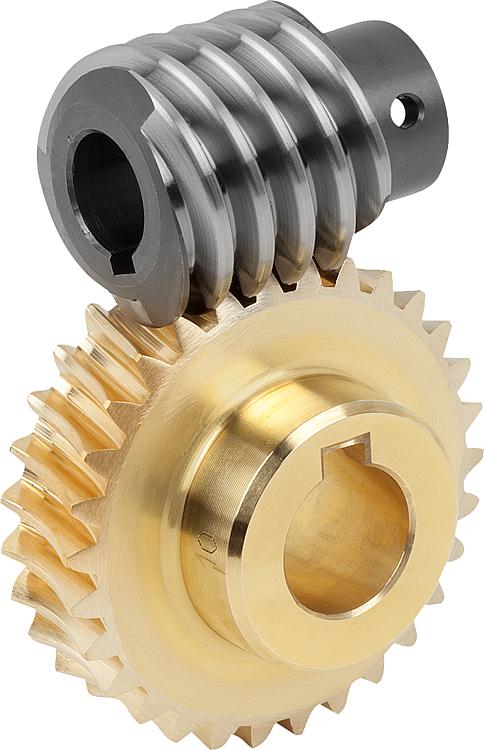
- Compact Design: Worm gears have a compact design, with the worm and worm wheel positioned at right angles to each other. This makes them space-efficient and suitable for applications where size and weight limitations exist.
- Self-Locking: Worm gears exhibit a self-locking characteristic due to the angle of the worm’s helical thread. This means that the worm can drive the worm wheel, but the reverse is not true. The self-locking feature allows worm gears to hold position without additional braking mechanisms, making them suitable for applications that require mechanical holding or braking capabilities.
- Quiet Operation: Worm gear mechanisms are known for their quiet operation. The helical nature of the worm’s thread and the meshing with the worm wheel teeth help reduce noise and vibration, resulting in smoother and quieter performance.
- Shock Load Resistance: Worm gears are capable of handling moderate to high shock loads due to their inherent design. The sliding action between the worm and worm wheel allows the gear system to absorb and distribute sudden impacts and loads effectively.
- Versatile Mounting Options: Worm gears can be mounted in various orientations, including horizontal, vertical, and inclined positions, providing flexibility in design and installation.
- High Torque Transmission: The design of worm gears allows for efficient transmission of high torque. This makes them suitable for applications that require heavy-duty torque requirements, such as lifting mechanisms, conveyor systems, and machine tools.
- Simple Lubrication: Worm gears typically require lubrication to reduce friction and wear. However, compared to some other gear types, worm gears have relatively simple lubrication requirements due to the sliding action between the worm and worm wheel. Proper lubrication helps extend the lifespan of the gear system and maintain its performance.
These benefits make worm gear mechanisms well-suited for a wide range of applications, including automotive systems, industrial machinery, elevators, robotics, and more. However, it’s important to consider the specific requirements and limitations of each application to ensure the optimal use of worm gears.


editor by CX 2024-04-09