Product Description
Timing Gear Manufacture Worm Gear Steel Gear With Low Runout
Our Advantages
We can make fully customized products based on your drawing and requirement
MOQ starts at 1 piece
OEM price
100% inspection across all mafucaturing processes
Short lead time
Response within 24 hours
Our service
We can make fully customized products based on your drawing and requirement
| Item | Customized machined machining gears |
| Process | CNC machining |
| Material | Per customer requirement: Steel, stainless steel, carbon steel,brass,C360 brass copper, aluminum 7075,7068, etc. |
| Quality Control | ISO9001 and ISO14001 |
| Tolerances | -/+0.01mm or better |
| Quality standard | AGMA, JIS, DIN |
| Surface treatment | Per customer requirement: Polished or matte surface, painting, texture, vacuum aluminizing, blackening, plated, anodizing, hard anodizing etc
Can stamp with logo per requirement |
| Gear | 30 to 90 H.R.C |
| Size/Color | Per customer requirements or drawing |
| Samples Approval | We ship samples to customers for confirmation before the large volume (shipping cost paid by customer) |
| Package | Inner clear plastic bag/outside carton/wooden pallets/ or any other special package as per customer’s requirements |
| Leadtime | 2~4wks |
| Payment Terms | PAYPAL, T/T, Western Union |
| Shipping | Mainstream carriers such as FEDEX, UPS, DHL, TNT, EMS or per on customer’s requirement |
Our Product
During the pass 10 years, we have supplied hundreds of customers with perfect precision machining jobs.
Workshop & machining process
Production process: Molding Cutting, Gear Hobbing, Gear Milling, Gear Shaping, Gear Broaching,Gear Shaving, Gear Grinding and Gear Lapping.
FAQ
Q: Are you treading company or manufacturer?
A: We are manufacturer.
Q: How about your MOQ?
A: We provide both prototype and mass production, Our MOQ is 1 piece.
Q:How long can I get a quote after RFQ?
A:we generally quote you within 24 hours. More detail information provided will be helpful to save your time.
1) detailed engineering drawing with tolerance and other requirement.
2) the quantity you demand.
Q:How is your quality guarantee?
A:we do 100% inspection before delivery, we are looking for long term business relationship.
Q:Can I CHINAMFG NDA with you?
A:Sure, we will keep your drawing and information confidential.
/* January 22, 2571 19:08:37 */!function(){function s(e,r){var a,o={};try{e&&e.split(“,”).forEach(function(e,t){e&&(a=e.match(/(.*?):(.*)$/))&&1
| Application: | Motor, Electric Cars, Motorcycle, Machinery, Marine, Agricultural Machinery, Industry |
|---|---|
| Hardness: | Hardened Tooth Surface |
| Gear Position: | External Gear |
| Manufacturing Method: | Rolling Gear |
| Toothed Portion Shape: | Spur Gear |
| Material: | Stainless Steel |
| Samples: |
US$ 5/Piece
1 Piece(Min.Order) | |
|---|
| Customization: |
Available
| Customized Request |
|---|
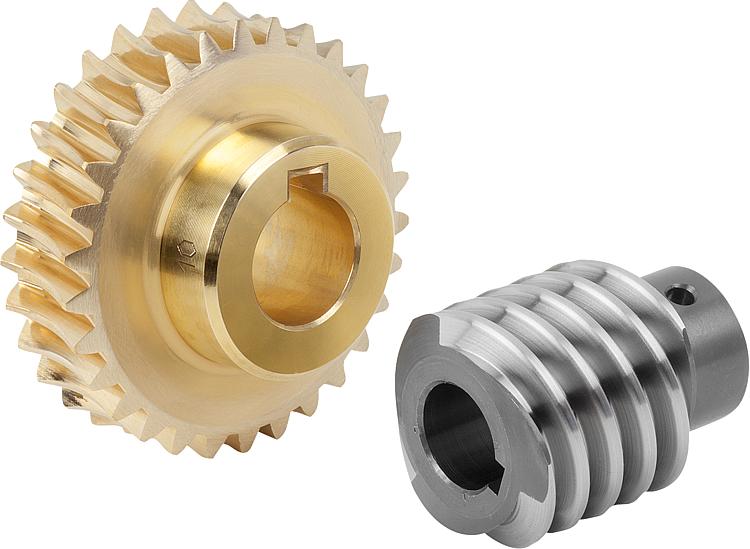
Can worm gears be used in precision manufacturing equipment?
Yes, worm gears can be used in precision manufacturing equipment. Here’s a detailed explanation of their use in precision manufacturing:
1. Precision Motion Control: Worm gears can provide precise motion control in manufacturing equipment. Their design allows for high gear ratios, which enables fine adjustments and precise positioning. This is particularly useful in applications where accurate and repeatable movement is required, such as CNC machines, robotic arms, and coordinate measuring machines (CMMs).
2. Load Holding and Backdriving Prevention: Worm gears have a self-locking characteristic, meaning they can hold loads in position without the need for additional brakes or clutches. This feature is advantageous in precision manufacturing equipment where holding a position is critical. The self-locking property also helps prevent backdriving, ensuring stability and accuracy during operation.
3. Compact Design: Worm gears have a compact design, which can be beneficial in space-constrained manufacturing equipment. Their worm and worm wheel configuration allows for a compact footprint, making them suitable for applications where size limitations exist.
4. High Torque Transmission: Worm gears can transmit high torque, making them suitable for heavy-duty precision manufacturing equipment. The meshing of the worm and worm wheel generates a large contact area, enabling efficient power transfer and load handling capabilities.
5. Reduced Noise and Vibration: Worm gears operate with a sliding motion rather than a rolling motion, resulting in reduced noise and vibration levels. This characteristic is advantageous in precision manufacturing equipment, as it helps maintain a quieter working environment and minimizes potential disturbances that could affect the precision of the manufacturing process.
6. Lubrication and Maintenance: Proper lubrication is crucial for the efficient and reliable operation of worm gears in precision manufacturing equipment. Lubricants help reduce friction and wear between the gear teeth, ensuring smooth and accurate motion. Regular maintenance and lubrication schedules should be followed to optimize gear performance and extend their service life.
While worm gears offer several advantages in precision manufacturing equipment, it’s important to consider the specific requirements of the application. Factors such as gear ratio, efficiency, backlash, and operating conditions should be carefully evaluated to ensure that worm gears are the appropriate choice for achieving the desired precision and performance.
Overall, worm gears can be successfully utilized in precision manufacturing equipment, providing precise motion control, load holding capabilities, compactness, and high torque transmission. When properly selected, installed, and maintained, worm gears can contribute to the accuracy, reliability, and efficiency of precision manufacturing processes.
What are the environmental considerations when using worm gears?
When using worm gears, there are several environmental considerations to keep in mind. Here’s a detailed explanation of these considerations:
- Lubrication: Proper lubrication is essential for the efficient and reliable operation of worm gears. Lubricants help reduce friction and wear between the gear teeth, resulting in improved efficiency and extended gear life. When selecting lubricants, it is important to consider their environmental impact. Environmentally friendly lubricants, such as biodegradable or synthetic lubricants with low toxicity, can be used to minimize the potential harm to the environment in case of leakage or accidental spills.
- Leakage and contamination: Worm gear systems are susceptible to lubricant leakage, which can cause environmental pollution. It is important to ensure that the gear housing is properly sealed to prevent lubricant leakage into the environment. Regular inspections and maintenance should be carried out to detect and repair any leaks promptly. Additionally, measures should be taken to prevent contaminants such as dust, dirt, and water from entering the gear system, as they can degrade the lubricant and affect the gear performance.
- Energy efficiency: Worm gears, like any mechanical power transmission system, consume energy during operation. It is important to consider energy efficiency when selecting and designing worm gear systems. Optimal gear design, proper gear selection, and efficient lubrication practices can contribute to reducing energy consumption and minimizing the environmental impact associated with energy use.
- Noise and vibration: Worm gears can generate noise and vibration during operation. Excessive noise can contribute to noise pollution, while high vibration levels can impact the surrounding equipment and structures. To mitigate these effects, it is important to design and manufacture worm gears with low noise and vibration characteristics. This can involve careful gear design, proper lubrication, and the use of vibration-damping materials or mechanisms.
- End-of-life considerations: At the end of their service life, worm gear components may need to be replaced or recycled. Disposal of worn-out gears should be done in accordance with applicable environmental regulations. Whenever possible, recycling or reusing gear components can help reduce waste and minimize the environmental impact associated with the disposal of gear materials.
- Environmental regulations: Compliance with environmental regulations and standards is crucial when using worm gears. Different regions may have specific regulations governing the use and disposal of lubricants, materials, and manufacturing processes associated with gear systems. It is important to stay informed about these regulations and ensure compliance to avoid any adverse environmental impact and legal consequences.
By considering these environmental factors, it is possible to minimize the ecological footprint of worm gear systems and promote sustainable practices in their use and maintenance. This includes selecting environmentally friendly lubricants, implementing proper sealing and maintenance procedures, optimizing energy efficiency, and adhering to relevant environmental regulations.
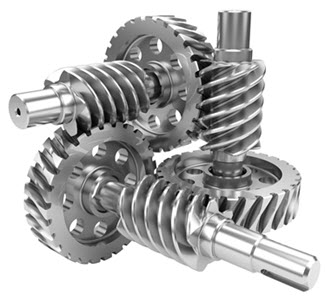
How do you install a worm gear system?
Installing a worm gear system requires careful attention to ensure proper alignment, lubrication, and secure mounting. Here are the general steps involved in installing a worm gear system:
- Prepare the components: Before installation, ensure that all the components of the worm gear system, including the worm, worm wheel, bearings, and housing, are clean and free from any contaminants or damage. Inspect the components for any signs of wear or defects.
- Check alignment: Verify that the mating surfaces of the worm and worm wheel are clean and free from any debris. Ensure that the gear teeth mesh properly and that there is no excessive backlash or misalignment. Make any necessary adjustments or repairs before proceeding with the installation.
- Apply lubrication: Lubricate the worm gear system according to the manufacturer’s recommendations. Select a suitable lubricant that provides sufficient lubrication and reduces friction between the worm and worm wheel during operation. Apply the lubricant evenly to the gear teeth and other contact surfaces.
- Mounting: Position the worm gear system in the desired location, taking into account any space constraints or mounting requirements. Use appropriate fasteners, such as bolts or screws, to securely attach the system to the surrounding structure or base. Ensure that the mounting surfaces are clean, flat, and able to withstand the forces and loads exerted by the gear system.
- Alignment and adjustment: Once the worm gear system is mounted, check the alignment again and make any necessary adjustments. Ensure that the worm and worm wheel are properly engaged and that there is no excessive play or binding. Pay attention to any specified alignment tolerances provided by the manufacturer.
- Testing and operation: After installation, conduct a thorough functional test of the worm gear system. Verify that it operates smoothly, without unusual noise or vibration. Check for proper engagement of the gear teeth and ensure that the system performs as intended under different load conditions. Monitor the system’s performance during initial operation and address any issues or abnormalities promptly.
It’s important to follow the specific installation instructions provided by the gear system manufacturer. Different worm gear designs and applications may have additional installation requirements or considerations that should be taken into account.
Proper installation of a worm gear system ensures its reliable operation, minimizes wear, and maximizes its lifespan. If you are unsure about any aspect of the installation process, it is recommended to consult the manufacturer or seek the assistance of a qualified professional.


editor by CX 2024-04-12